The Spike Bar
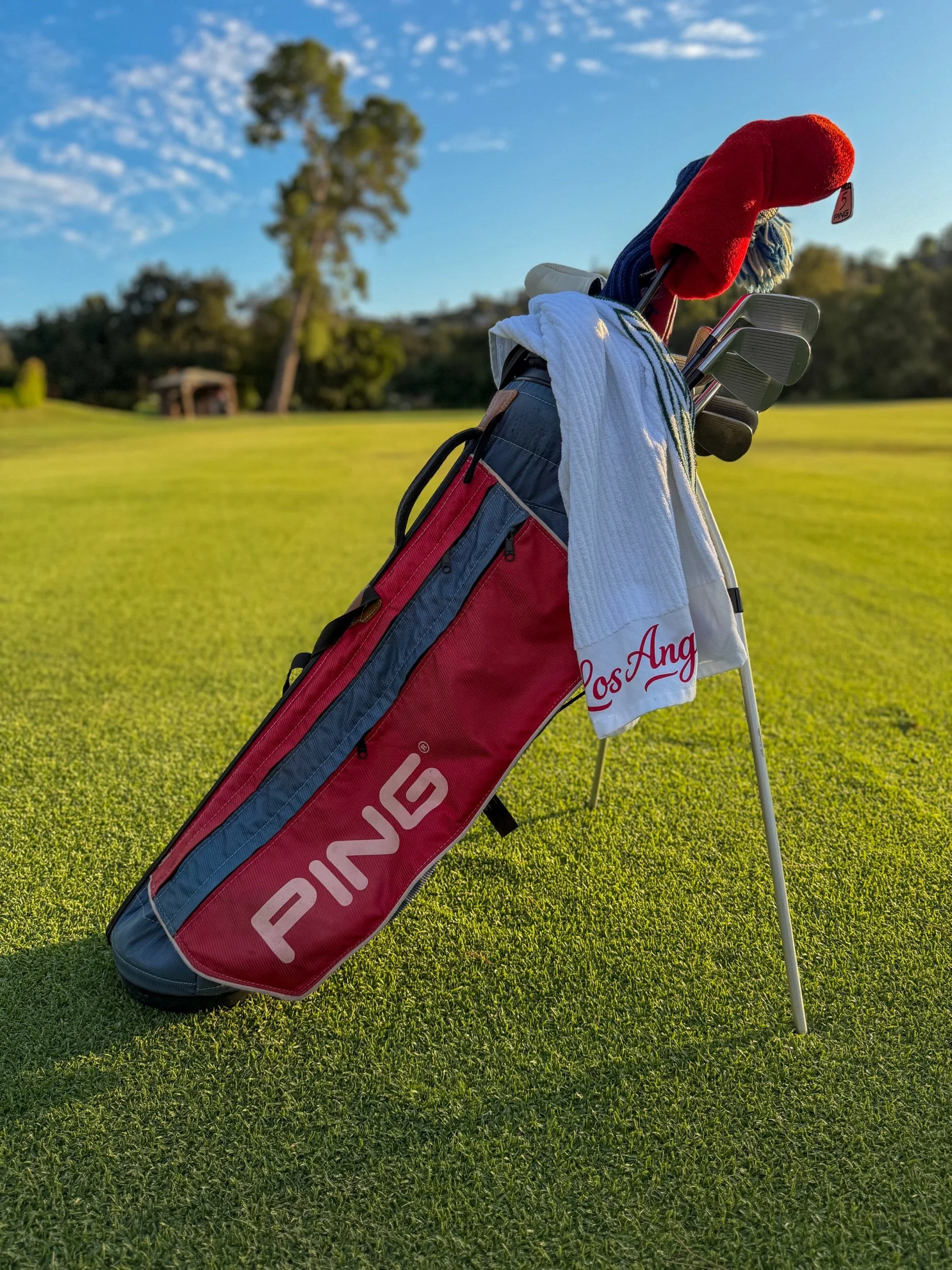
Vintage Ping L8. Blue and red, dual strap.
Built on PING’s own stand patent, filed July 1988 and granted May 1989. The 1996 catalogue still lists the L8+ with a single padded strap, so a factory second strap puts this one later than that book.
Working stand. Great shape.
“Curated for the Curious”
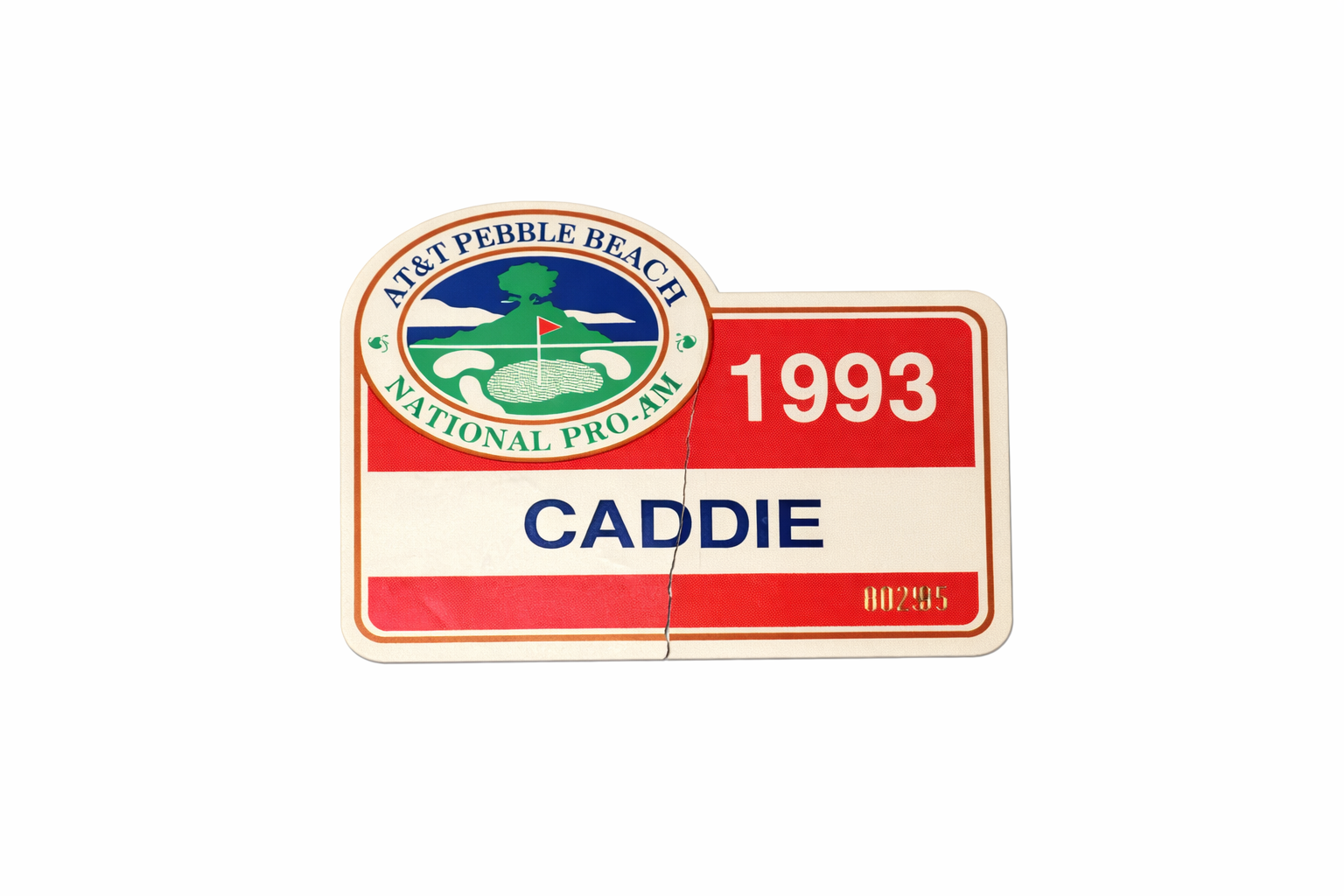
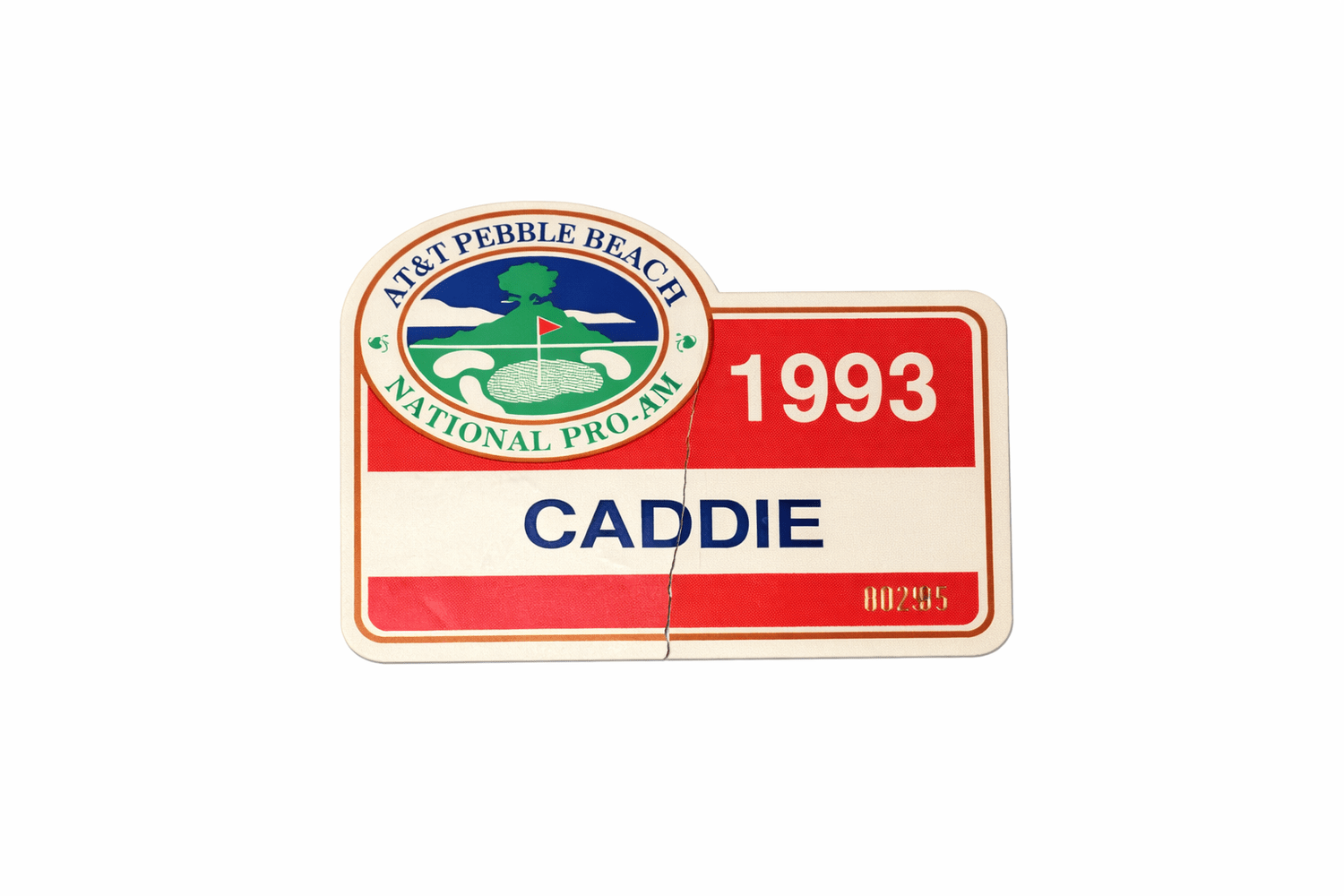
Caddie badge, 1993 AT&T Pebble Beach National Pro-Am. Stamped 295.
Brett Ogle won at 276, rounds of 70-68-69-69, final round 7 February. First of his two Tour wins. Payne Stewart and Jim Morris took the pro-am at 257.
A working credential, not a souvenir.
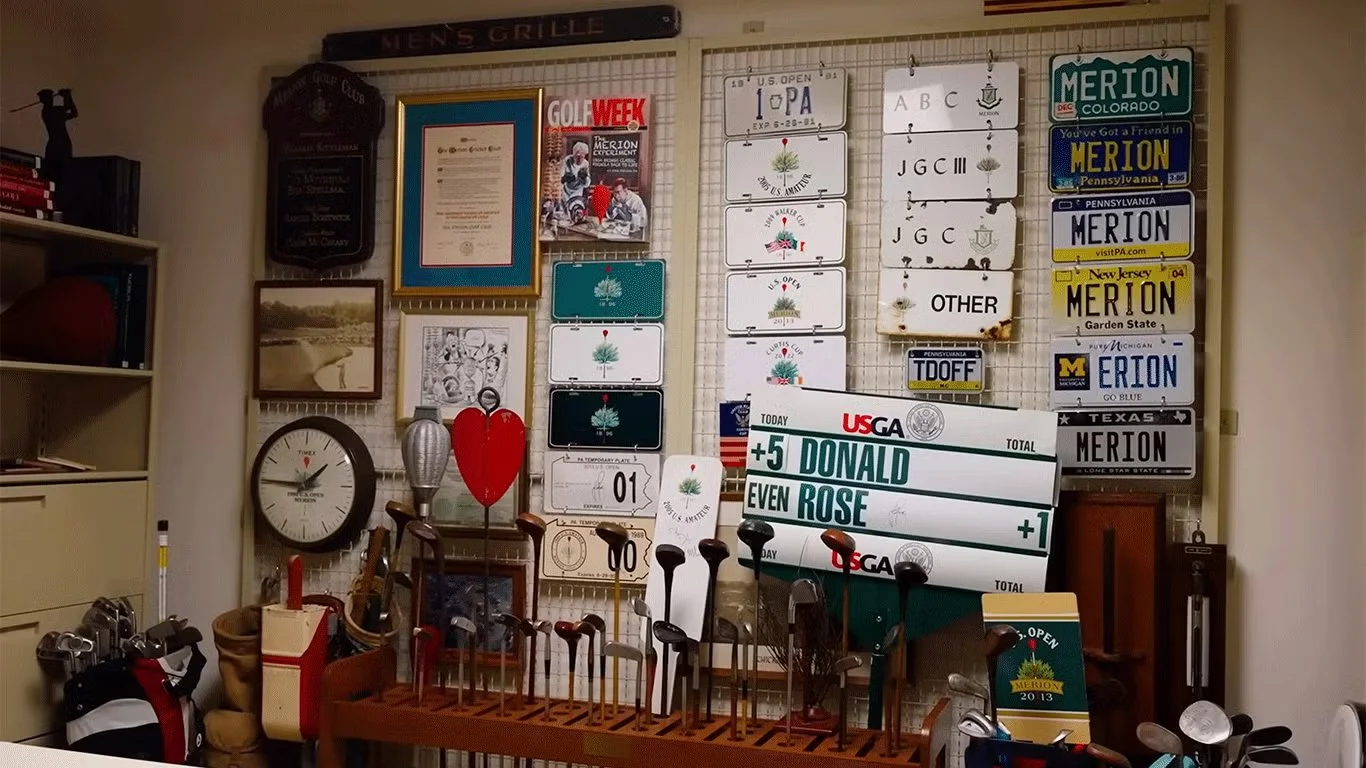
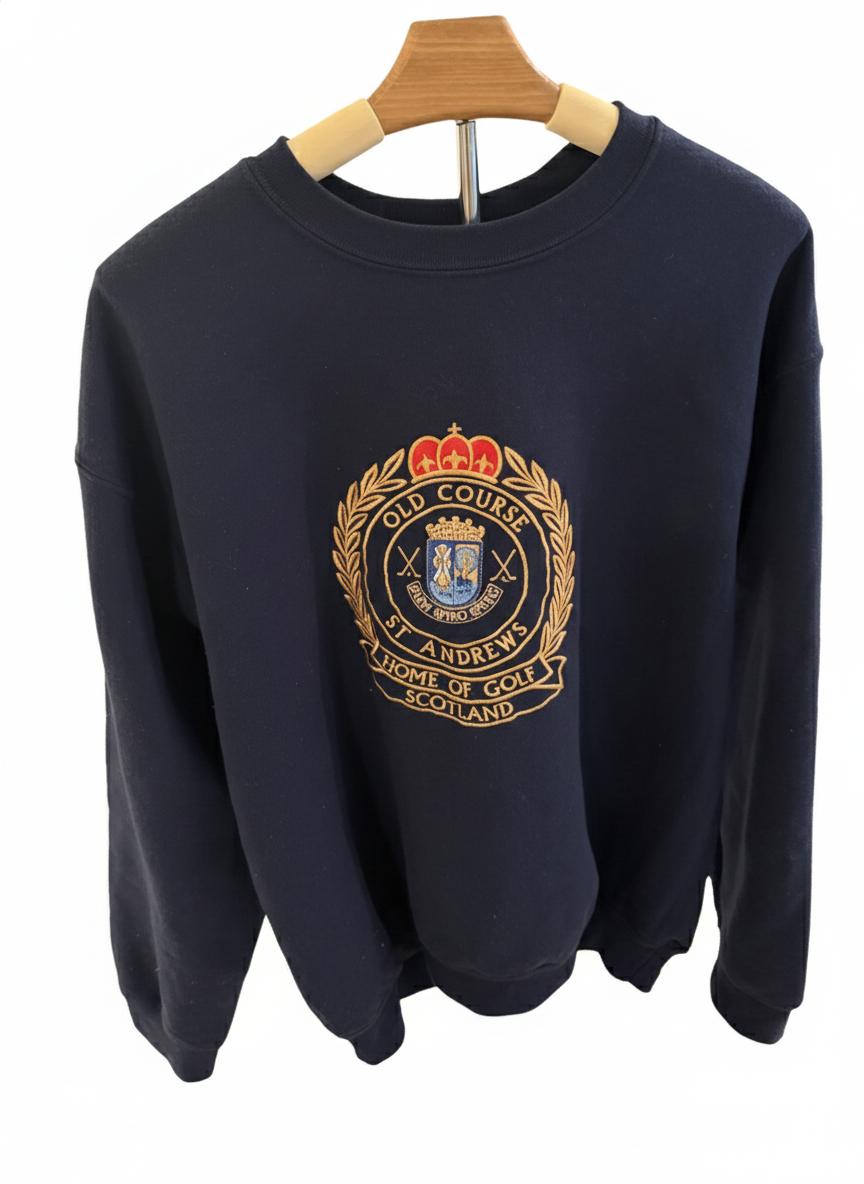
Direct from the Golf Shop of St Andrews. Navy Size Medium.
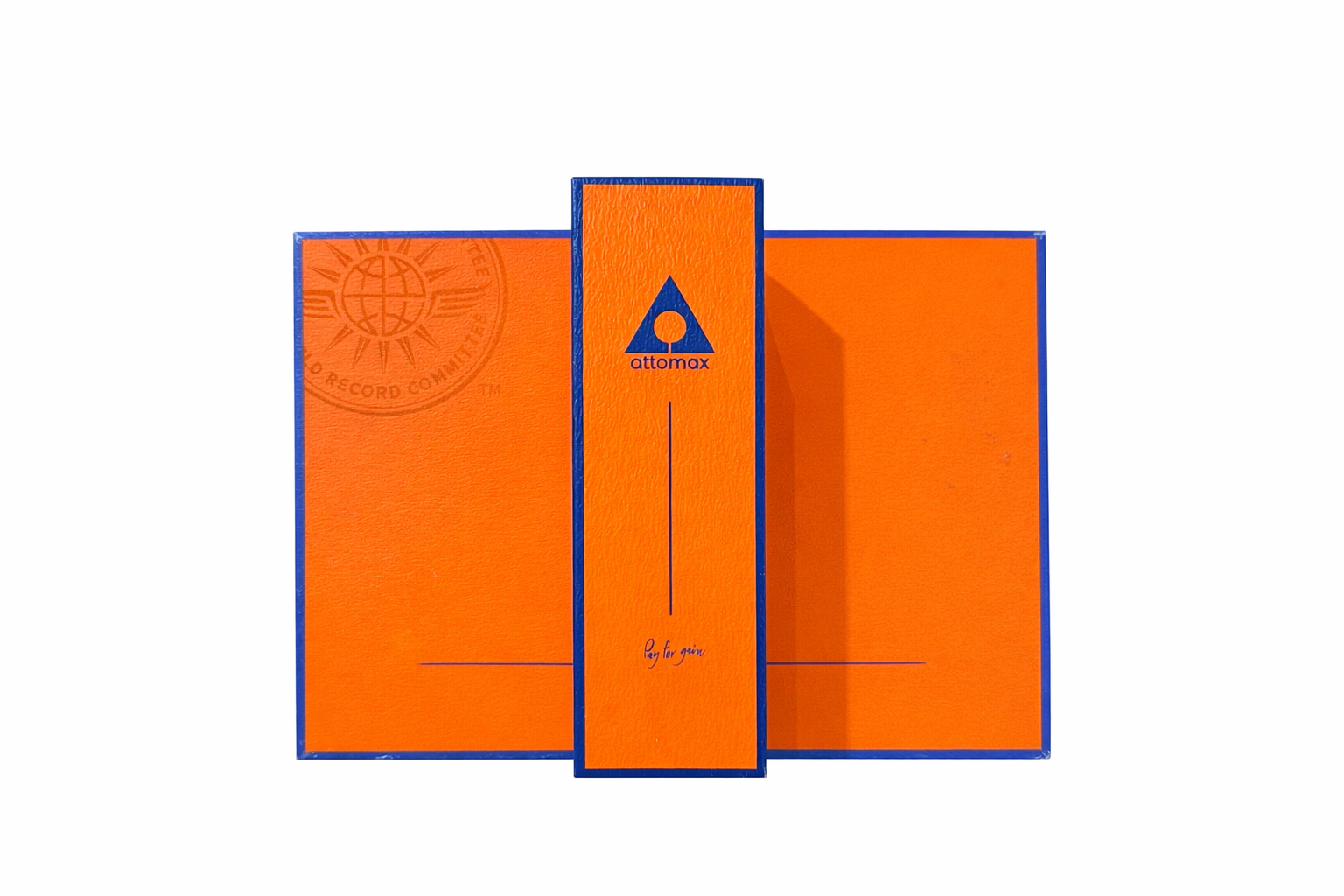
Attomax Soft. Sleeve of three golf balls, new.
Not USGA conforming. Not sorry.
Attomax Soft, sleeve of three, new. Made in Japan of Korean material — amorphous metal alloy powder, gas atomised. 42.77mm, 44.8g, 252 dimples, built for 50–90 mph swings. Retailed at $249 a dozen.
The most interesting illegal ball ever sold. For display, or for people whose rounds are between friends.
In-stock close.
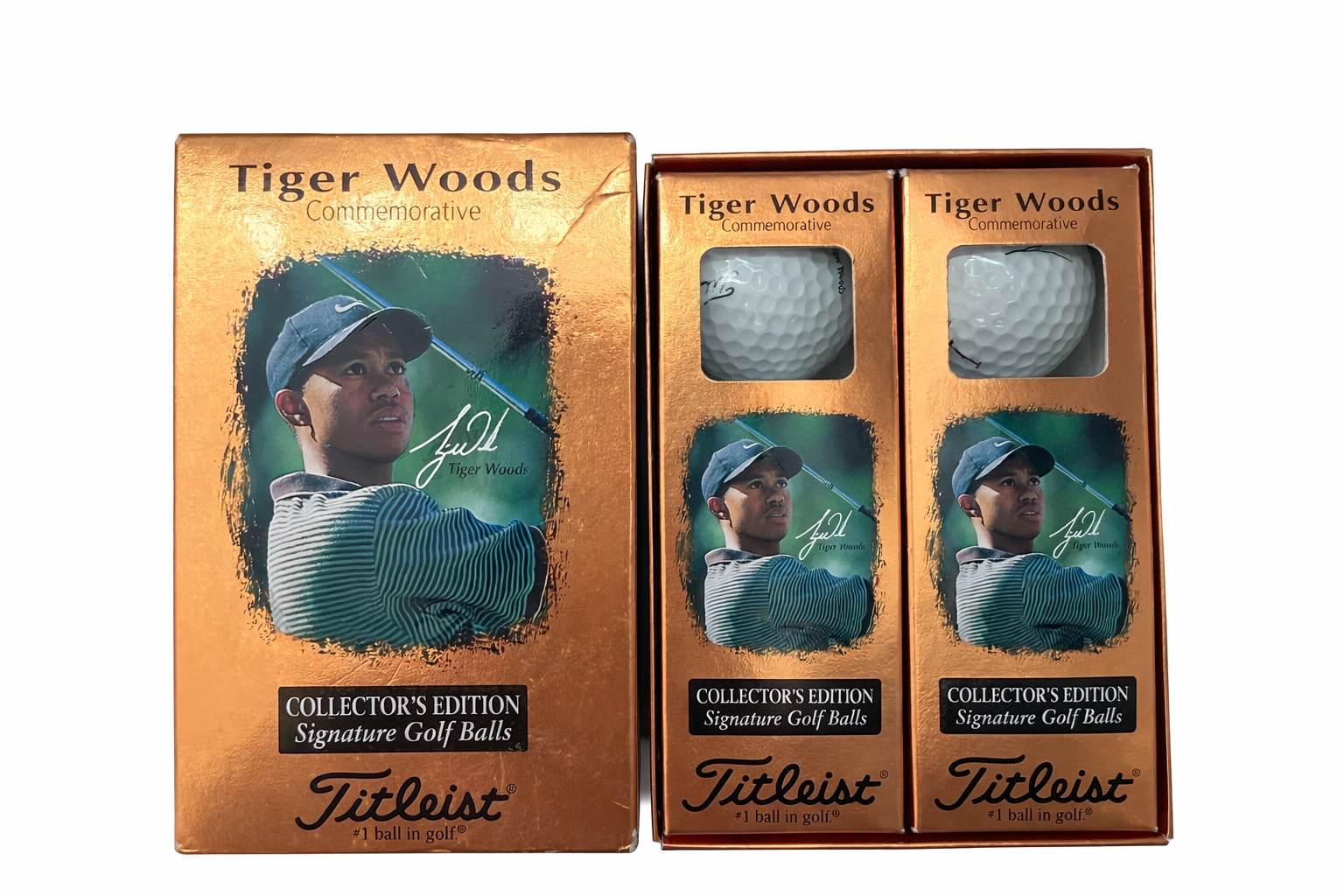
Titleist Professional 90. Two sleeves, boxed.
Launched 1994 to replace the Tour Balata. First urethane-covered Titleist played on tour. Liquid centre, wound, 90 and 100 compression. Most-played ball at the US Open until the Pro V1 in 2001.
Woods played the Professional 90 in 1996.
Balls new. Box worn as shown.

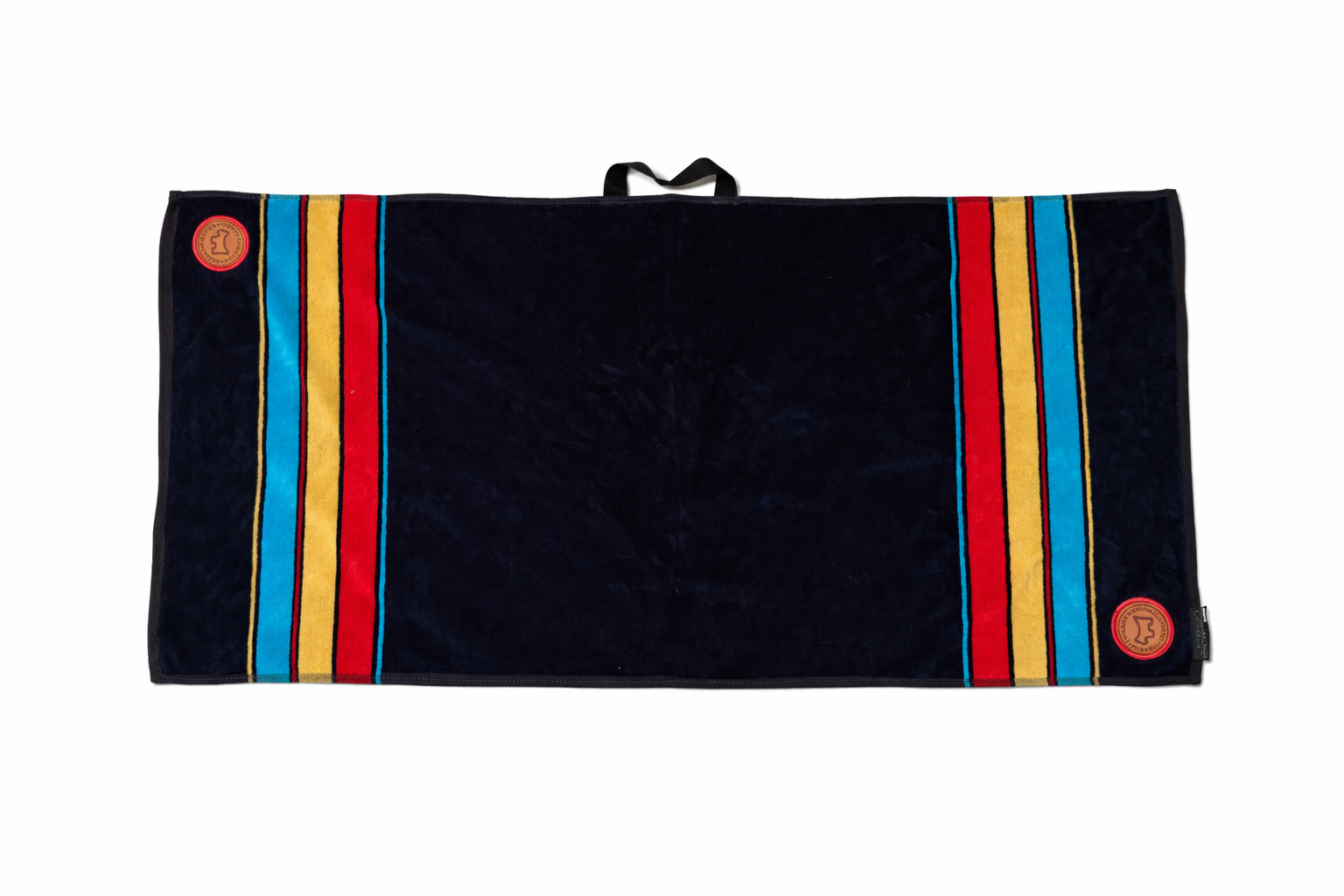
Scotty Cameron striped towel. Like new, never used on course.
The Gallery opened in Encinitas in July 2014, Cameron’s first public US fitting studio. A second in Tokyo. Wednesday drops run 8:30 to 9:30 Pacific.
The release model sets the price on Cameron accessories, not the cotton.
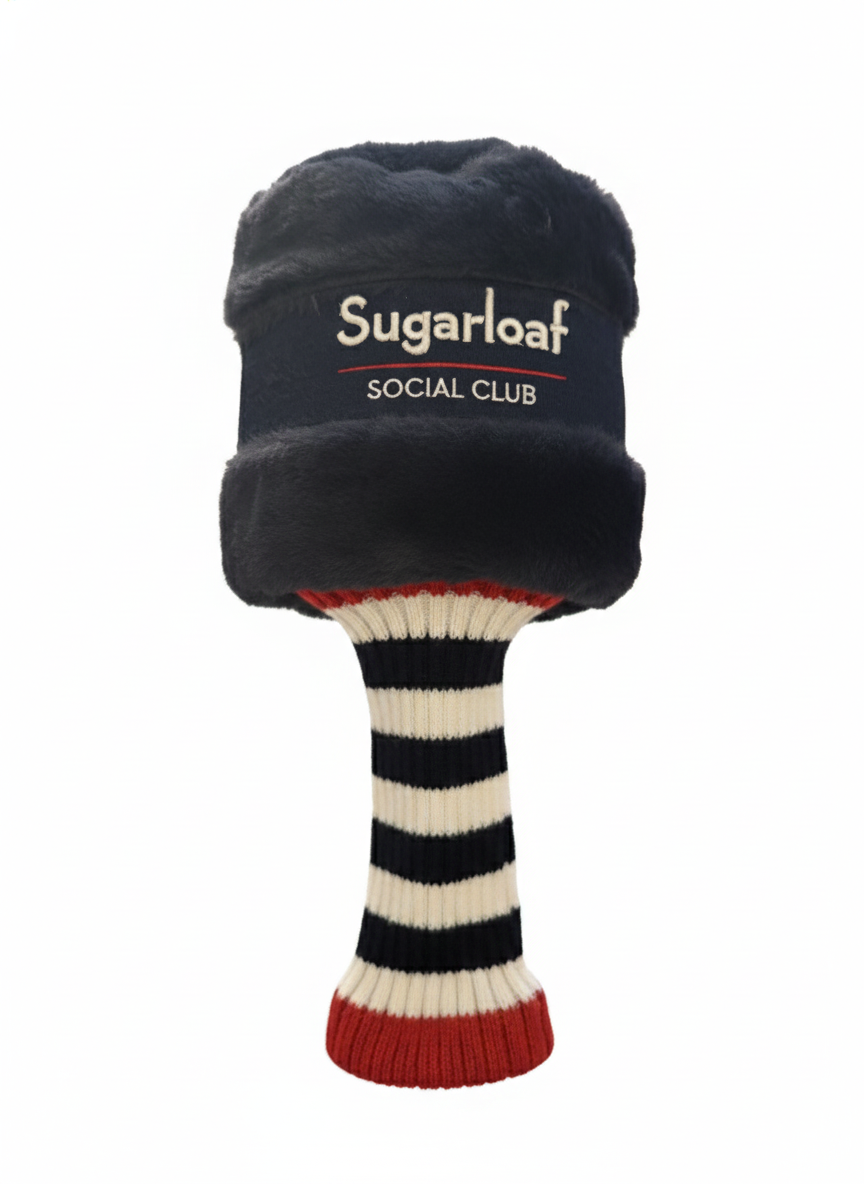
Whether for Big Js or Smooth D’s, this Sugarloaf Social Club headcover is here to please.
Spike Bar
Golf culture. Objects of note.
News from the links and beyond.
 EST. 2016
The photograph is only half the story
A Mickey Mantle press print—and a field guide to why Type One photographs are working pieces of history.
Read the field note →Kyoto
Monocle · Travel
19 August 2026
New approaches, old foundations. Ben Davis on a twelfth-generation weaving house that has started making menswear — heritage nobody had to invent.
The W124 that refused to retire
Green Black Metallic, Japanese market, no reserve. The best-made thing on this page and enough room for the clubs to lie flat.
View the story →
On the Bar
Things worth your time.
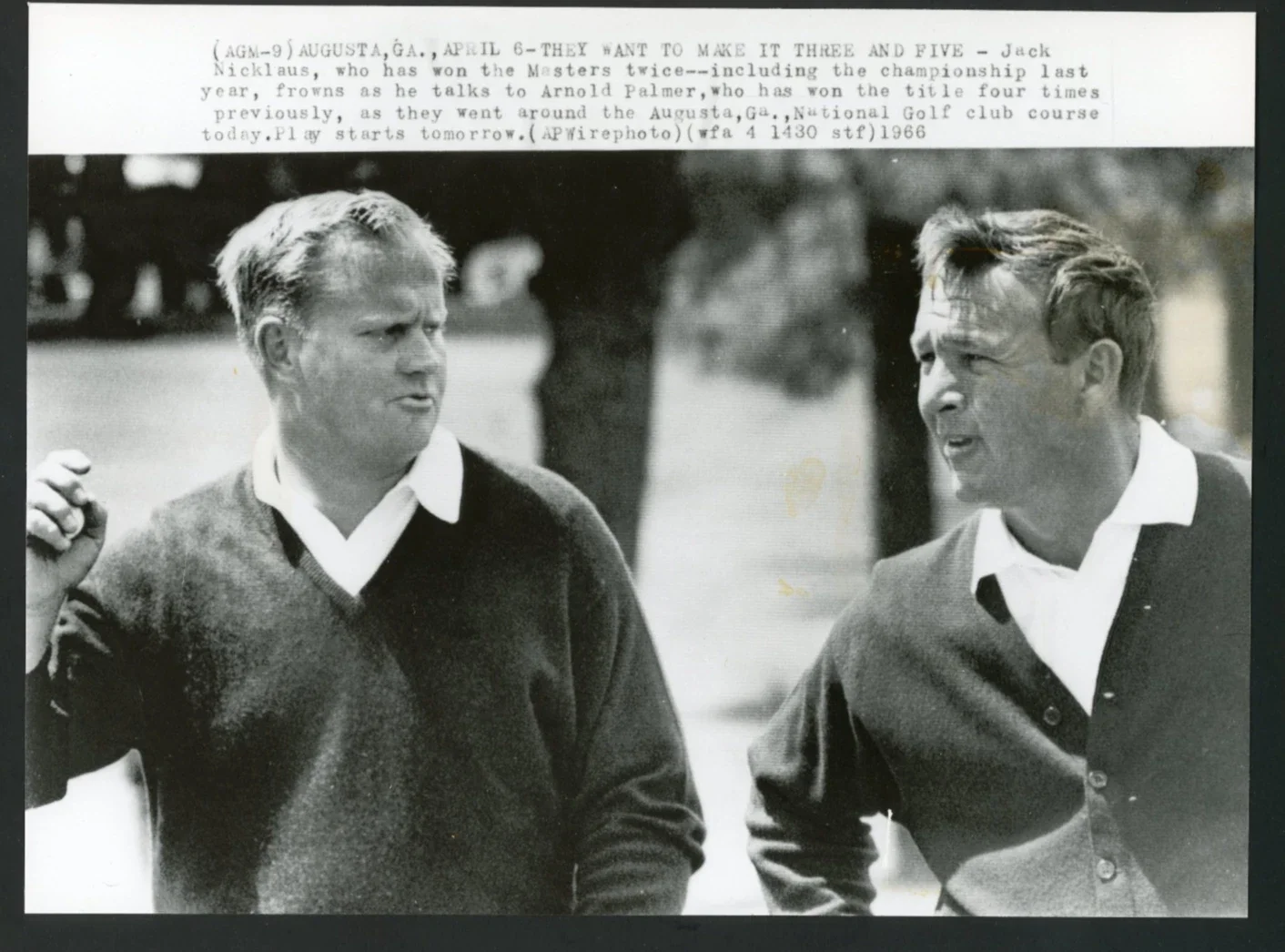
Before anyone knew the ending
Nicklaus and Palmer, Augusta, with the wire desk’s arithmetic still attached.
Read ↗The estate that got everything right
Correct wheels. Correct color. No notes.
Read ↗
Los Angeles, table by table
Twenty new openings, from Koreatown hideaways to bougainvillea-covered terraces.
Read ↗
The trench, put on the record
Personal property, not a size tag. Provenance in the lining.
Read ↗
The back is half the picture
Stamps, run dates and grease pencil: the evidence that survives.
Read ↗
The bag that learned to stand
The L8, the Hoofer and two decades of PING carry-bag engineering.
Read →
The bag that learned to stand
From the 1988 L8 to the Hoofer generations of the 1990s and 2000s: how PING made the automatic stand bag light, dependable and ordinary—in the best sense.
PING did not invent the idea of putting a stand on a golf bag. Its achievement was to turn the stand into a convincing carry system: a soft, light bag whose legs opened when the golfer set it down and folded away when the bag was lifted. The L8 established that grammar in 1988. The Hoofer made it easier to live with. Two decades of patents show how the company kept refining the same basic act.
The L8 and the original mechanism
PING’s first L8 dates to 1988, a date confirmed when the company marked its twenty-fifth anniversary with a reissue in 2013. The underlying stand was filed on 5 July 1988 and granted on 30 May 1989 to inventors John A. Solheim and Gregory J. Schmidt, assigned to Karsten Manufacturing.
The original patent is unusually legible. It describes a fabric carry bag stiffened by a longitudinal strut, a pair of support legs and a U-shaped actuator. Put the bag down and the lower body compresses enough to push the actuator and spread the legs; pick it up and the action reverses. The filing even specifies a wooden dowel as the rigidifying strut. The point was not theatrical engineering. It was fewer parts, less weight and one automatic motion.
Tested by a college team
In PING’s account of the project, Solheim and Schmidt reduced the stand to lightweight aluminum legs and a pared-down operating mechanism. The practical proof came from Oklahoma State. The team carried early bags, other college programs noticed, and adoption spread through the most demanding kind of showroom: players walking tournament golf.
That history comes from interviews with Solheim and Schmidt in GOLF.com’s oral history of the Hoofer. It also explains why the L8 matters. It was not the first golf bag ever given legs; it helped define the modern lightweight automatic stand bag.
The problem that named the Hoofer
The L8’s stand worked, but its soft lower body could fold inward when the legs deployed. Club grips could catch in that gathered material on the way back into the bag. Solheim’s answer was geometric: change the top and bottom from round to oval so the club chamber remained more open.
The redesigned base looked like a hoof. The Hoofer name followed. Introduced in the mid-1990s, it was less a repudiation of the L8 than its second draft—same drop-and-lift logic, better club access, and a body shaped around the stand rather than merely carrying it.
From one clever bag to a platform
As Hoofer became a family rather than a single model, Karsten’s filings moved into the details a walker actually feels. A 1998 filing joined the automatic stand to full-length dividers. A 1999 filing covered a cam-actuated stand and detachable body. Filings from 2001 addressed a longitudinal stay and retainer, an integral handle within the shoulder-strap system, and the stand structure itself.
Those patents should not be read as a one-to-one model-year chart. They document the engineering path behind the late L8, numbered Hoofer generations and related PING carry bags: keep the opening clear, control the frame, improve the carry and make the mechanism easier to assemble and service.
Refinement, not reinvention
Through the 2000s, the recognizable Hoofer formula settled in: an oval organization system, paired shoulder straps, more deliberate pocketing and a stand that disappeared neatly against the body when carried. Materials became lighter and rain hoods, straps and storage became more integrated, but the central behavior remained the one drawn in 1988.
A later Karsten filing, with 2007 priority, describes compound-bend support legs designed to create a wider track on the ground while nesting compactly against the bag when retracted. That is the Hoofer story in miniature: improve stability without making the golfer carry the improvement.
The mechanism is the identity
Look for the soft, comparatively spare body; two thin external legs; the actuator at the base; and the straighter, rounder architecture that predates the Hoofer’s oval solution. Early examples are commonly seen with a single strap. Condition matters most around the lower body, stand pivot and internal stay.
The base tells the story
The oval top and hoof-like bottom are the decisive cues. Later generations add dividers, paired straps, pockets and padding, but those features migrated over time. A colorway or embroidered team mark can help date a bag; the stand geometry is the more dependable family resemblance.
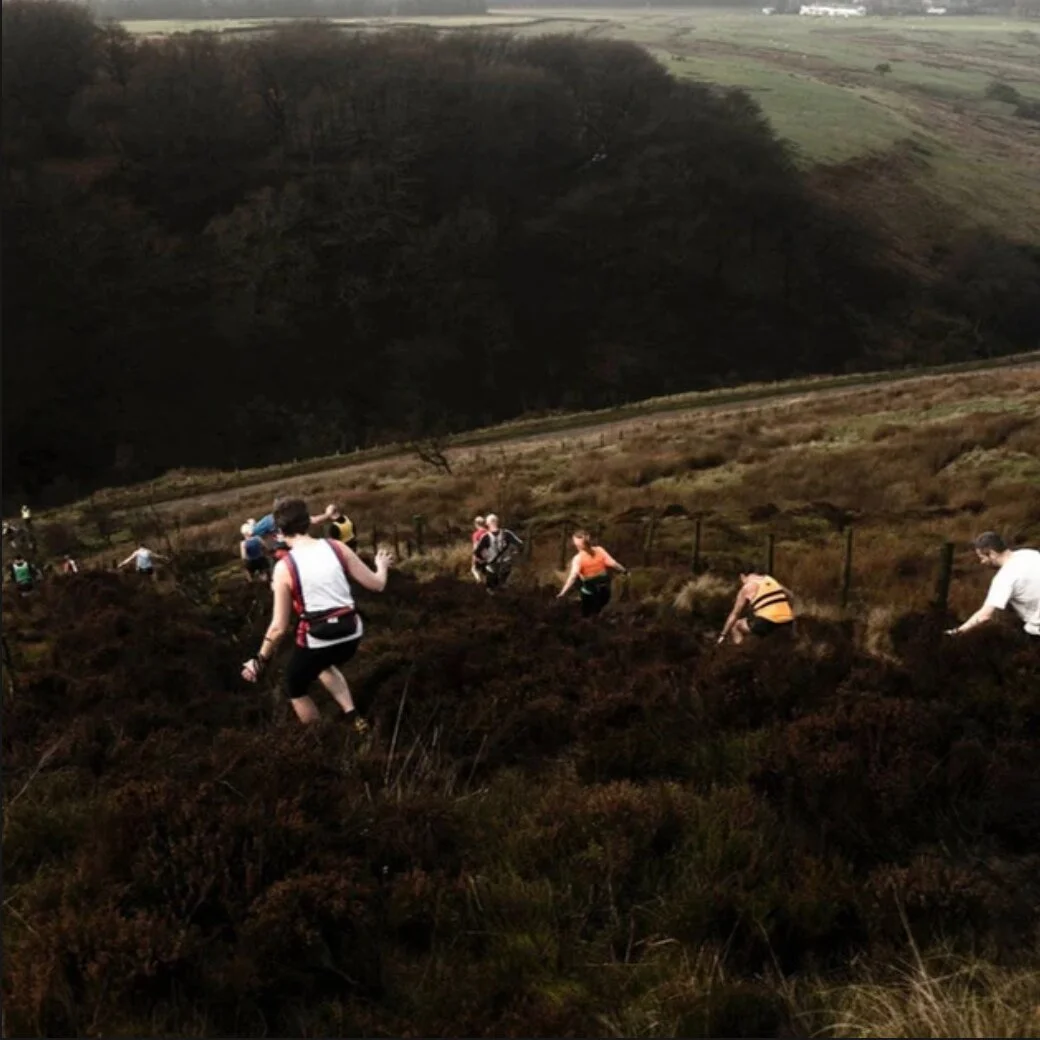
Built for
the fells
Specialist athletic shoes from Bolton since 1961. A small delivery is heading west.
Norman Walsh entered J.W. Foster & Sons as a fourteen-year-old apprentice in 1945. By 1948 he had been selected to make the Fosters De Luxe track spikes worn by British athletes at the London Games.
He established his own company in 1961. From Bolton, on the edge of the Pennines, Walsh developed footwear for rugby, road racing and the steep, rough country of fell running—lightweight shoes shaped by use rather than fashion.
More than six decades later, that quiet British line continues. Norman Walsh is coming soon to The Professional Shop.
What makes a photograph Type One?
The image draws the eye. The stamps, captions and crop marks on the reverse explain where it went, when it ran and why it survived.
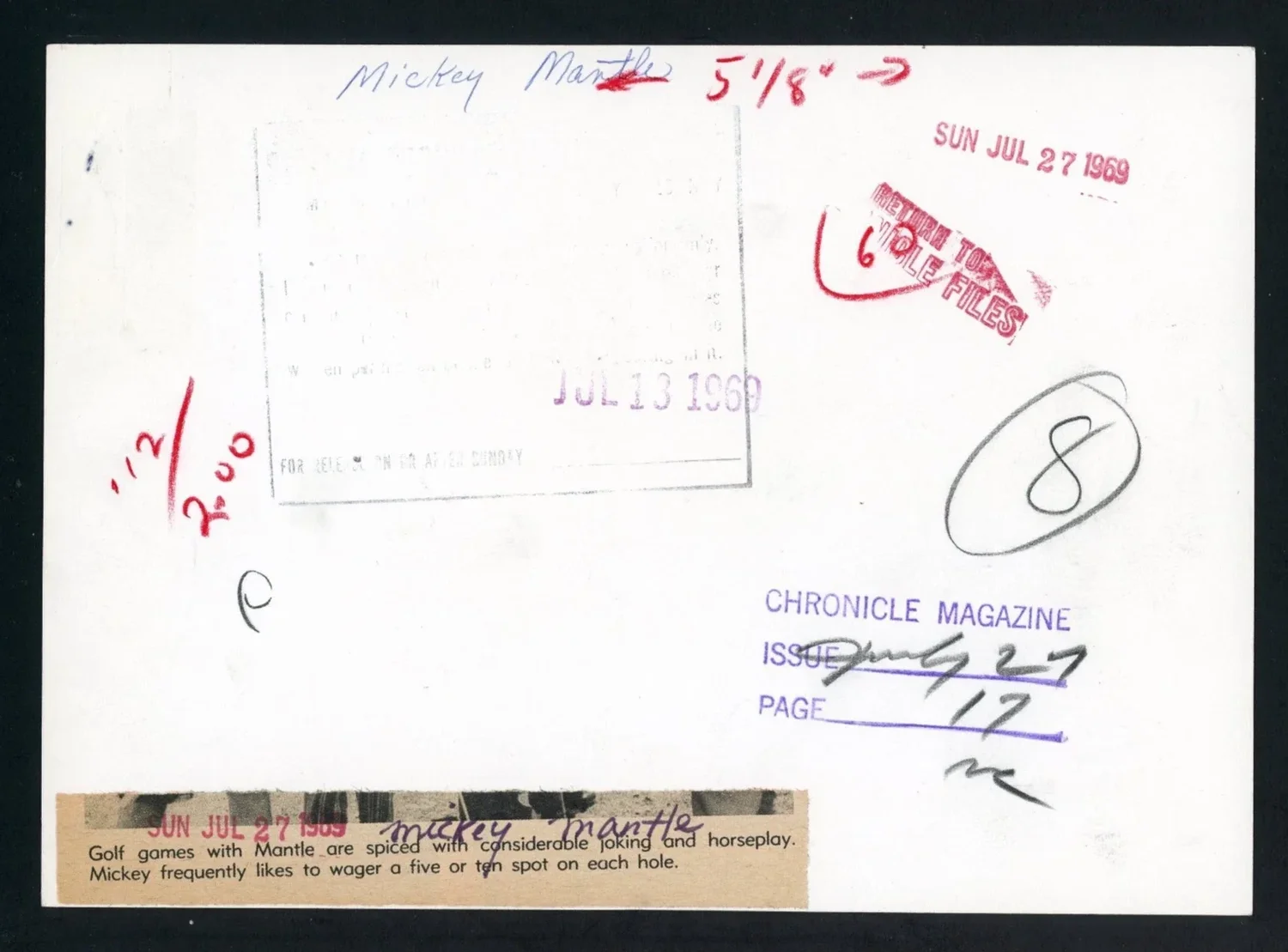
A working print, not a souvenir
Before photographs became files, they moved from hand to hand. A photographer exposed film. A darkroom made a print. An agency or newspaper captioned it, stamped it, cropped it and filed it. The same print might be pulled months or years later, marked again, then returned to a drawer.
This Mickey Mantle photograph carries that working life on its back: a JUL 13 1969 stamp, a SUN JUL 27 1969 run date and a notation for the Chronicle magazine section. The front records the scene. The reverse records the life of the photograph.
The wear is not incidental. It is evidence that the object did the job for which it was made.
PSA asks two basic questions: which negative produced the print, and when was the print made?
Original negative
Period print
First generation, made from the original negative within roughly two years of the image date.
Original negative
Later print
Made from the original negative, but outside the approximate two-year period.
Duplicate source
Period print
Made in the period from a duplicate negative or a wire transmission.
Duplicate source
Later print
A later-generation print from a duplicate negative, copy source or wire transmission.
The negative is the source
The print existed because an editor, wire service or photo desk needed it. It might be sized, cropped, retouched, captioned, filed, pulled and returned. The newspaper page is the reproduction; the press print is the working object that helped create it.
Read the verso
Agency credits, date stamps, caption slips, grease pencil, crop lines, subject codes, run dates and attached clippings can help establish when and how a photograph was used. Together they form provenance to test—not decoration to erase.
Type is not the whole verdict
A type classification addresses generation and timing. It does not by itself settle caption accuracy, photographer attribution, subject identity, rarity, condition or value. The designation begins the description of a press photograph; it does not finish it.
The Professional Shop
View shop →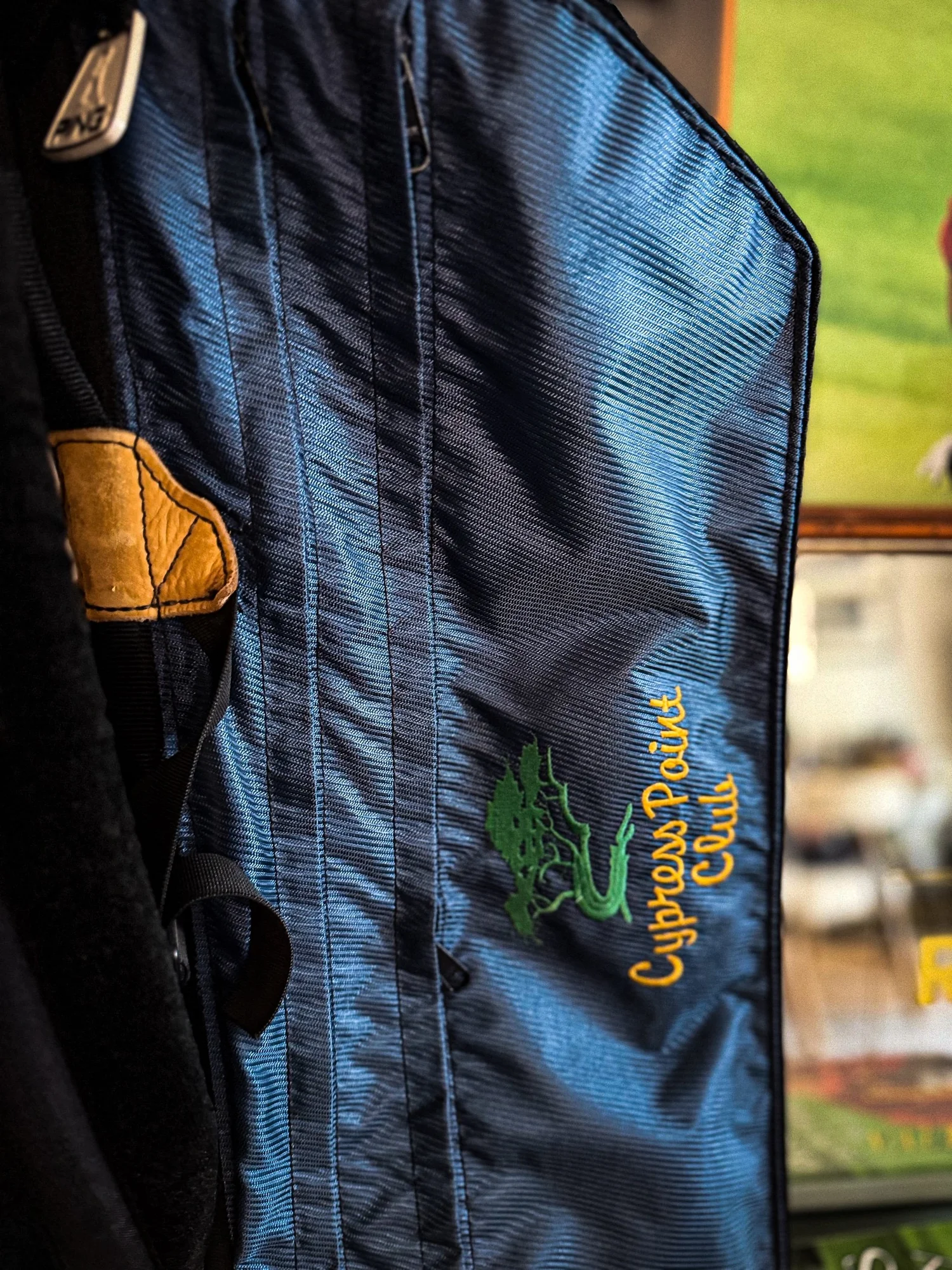

Last Call

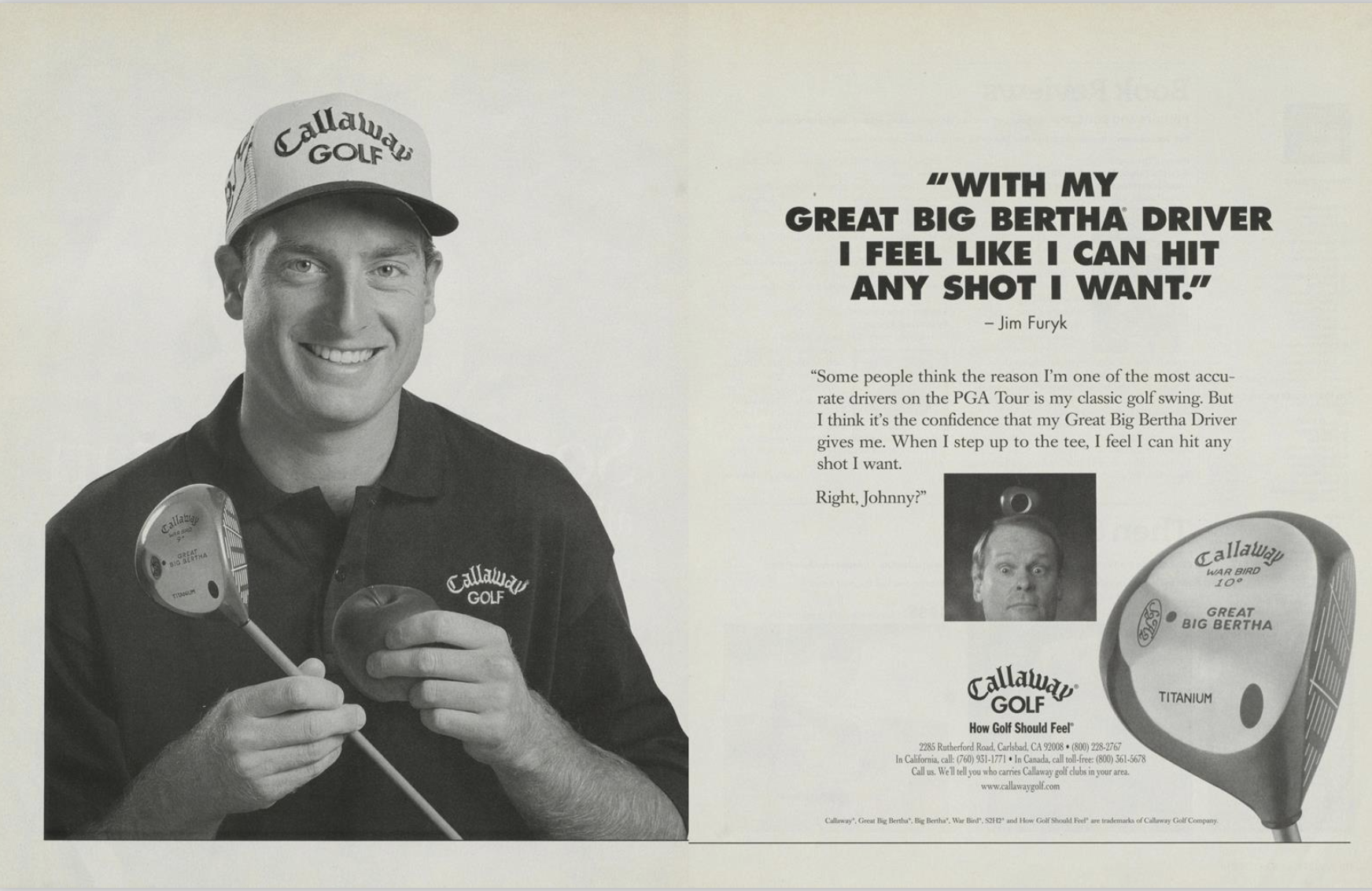
Some ads knew when to stop talking.
See you next week →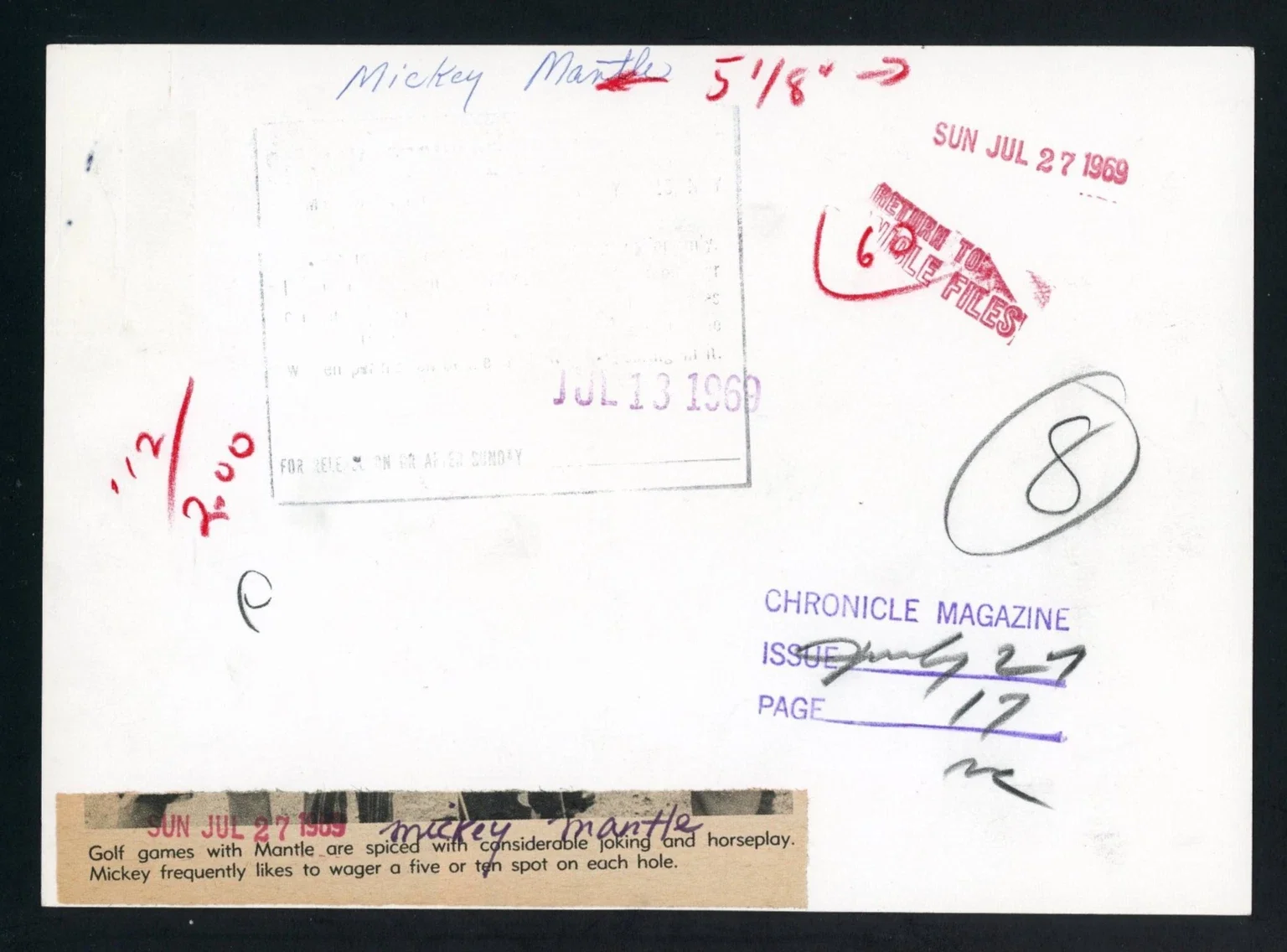
Curated For The Curious.
Abbot Kinney Blvd
90291
THE PROFESSIONAL SHOP
Venice Beach, CA
THE PROFESSIONAL SHOP Venice Beach, CA
The Shop:
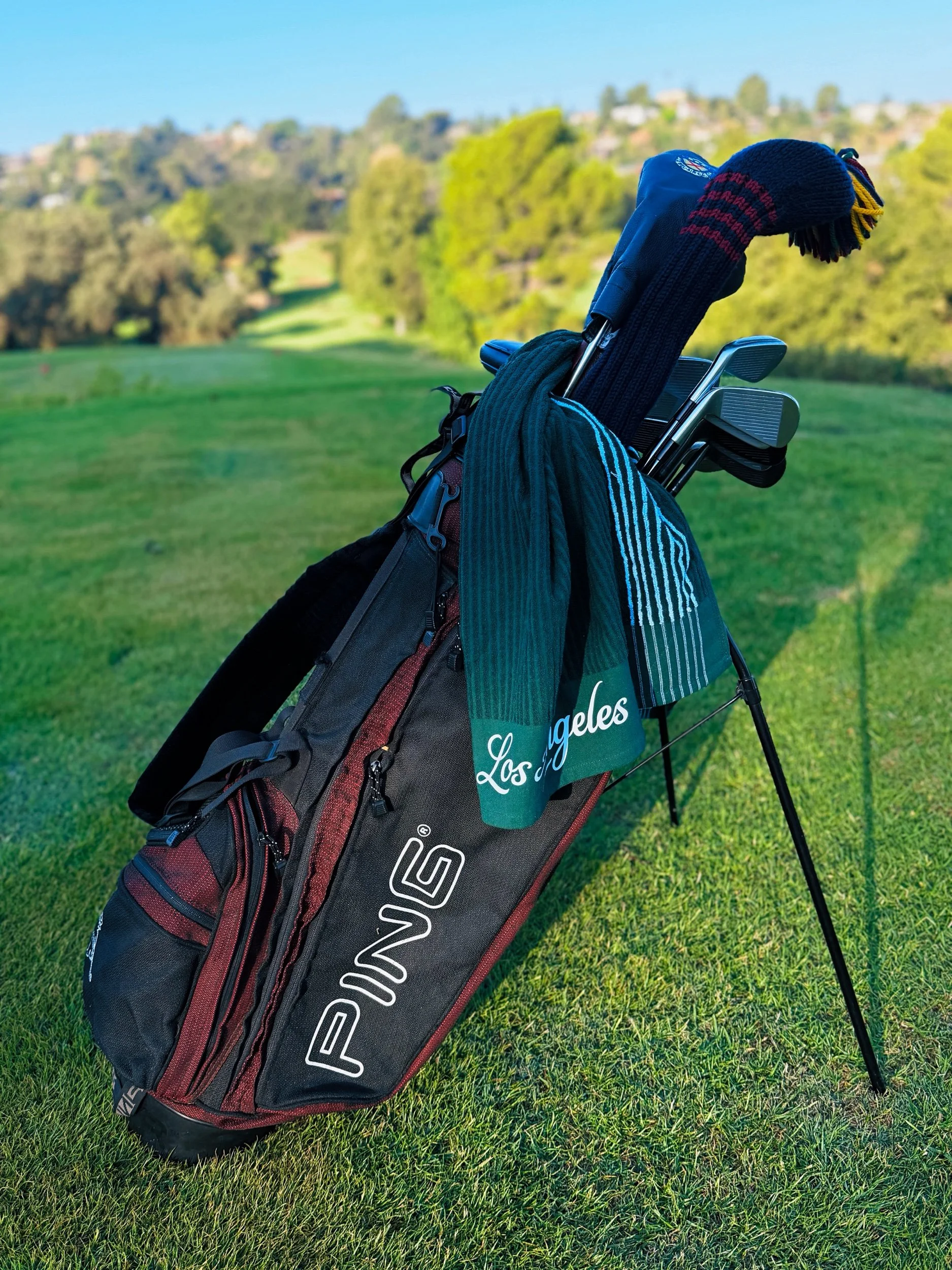
Ping Hoofer Two. Bordeaux and black, single strap.
The model that followed the original Hoofer, and a different bag from it. Four-way top, and an insulated bottle pocket the first Hoofer never had. The patch is the quick tell: originals run tan, the Hoofer Two runs black or grey.
No published source dates the changeover, so this one carries no year. Working stand, great condition. Cart strap loop removed by a previous owner.
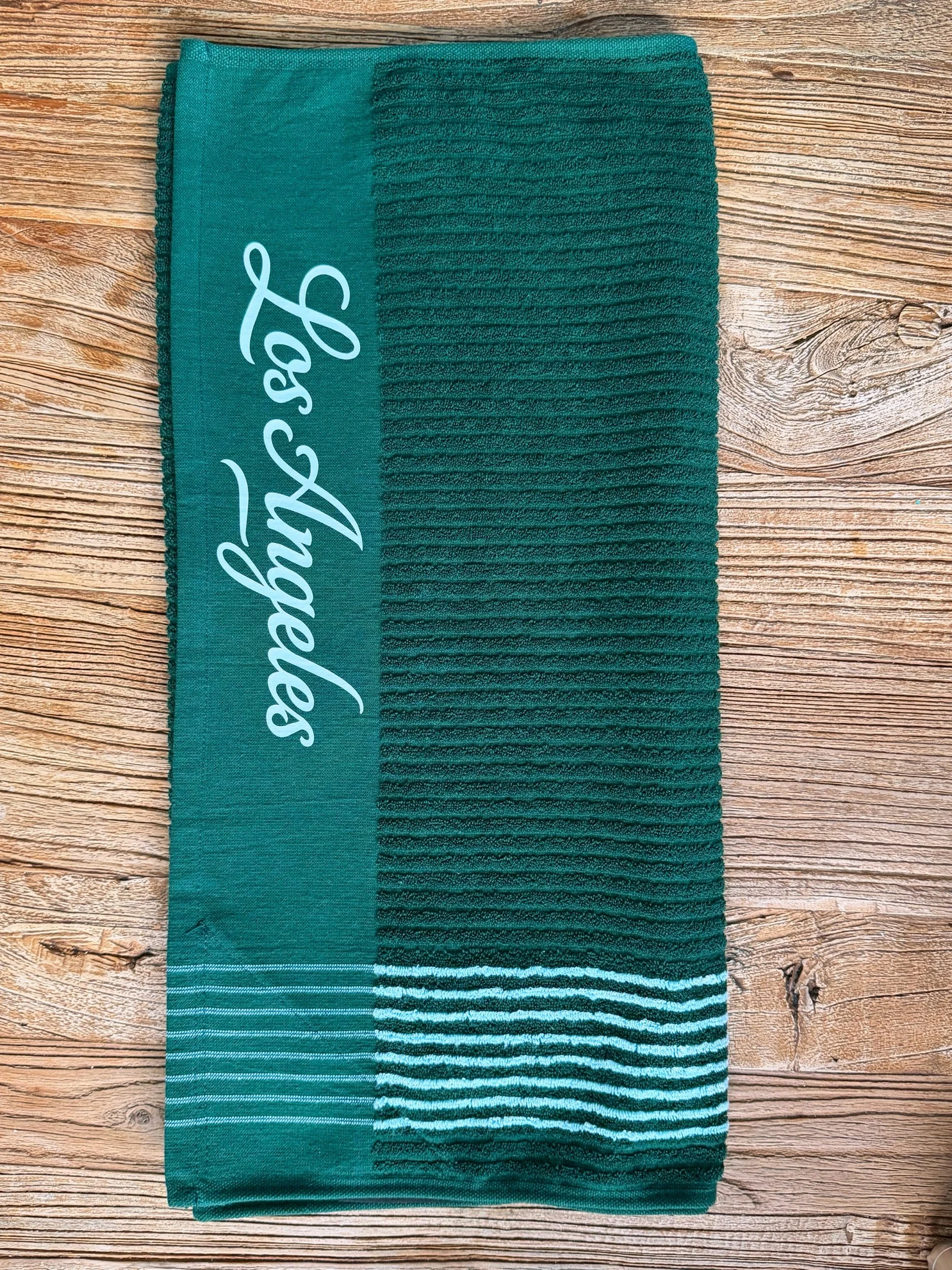
Three Cypress Club × No Dirt Golf, Green with White Stripes.
Materials. Cotton terry with the No Dirt scrub-pad panel integrated on one face. 44 × 22 inches. Ribbon-hemmed on all four edges.
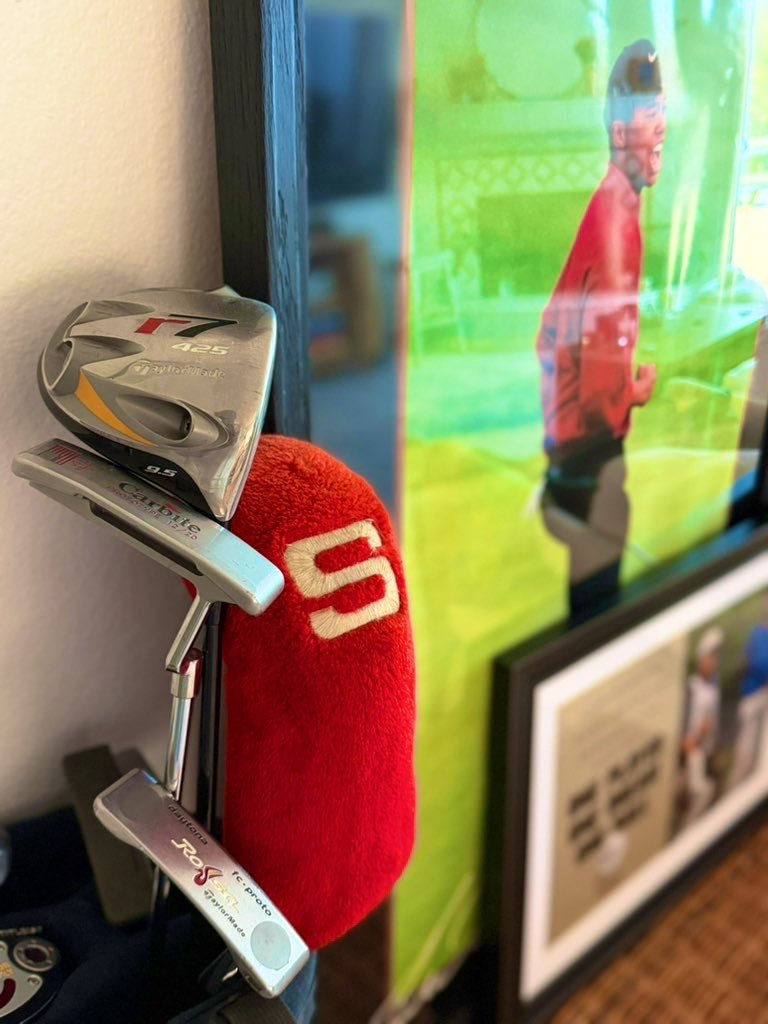
Ping 5-wood cover. Plush red, Stanford S.
Stanford won the NCAA team title in June 1994, their seventh and first since 1953. Woods enrolled that autumn. He took the individual title in 1996 at The Honors Course, 285, closing 80. Eight of his eleven collegiate wins came that year. Turned pro in August.